
Cost Optimization Made Fun: Applying LEGO Strategies for Efficient Resource Management
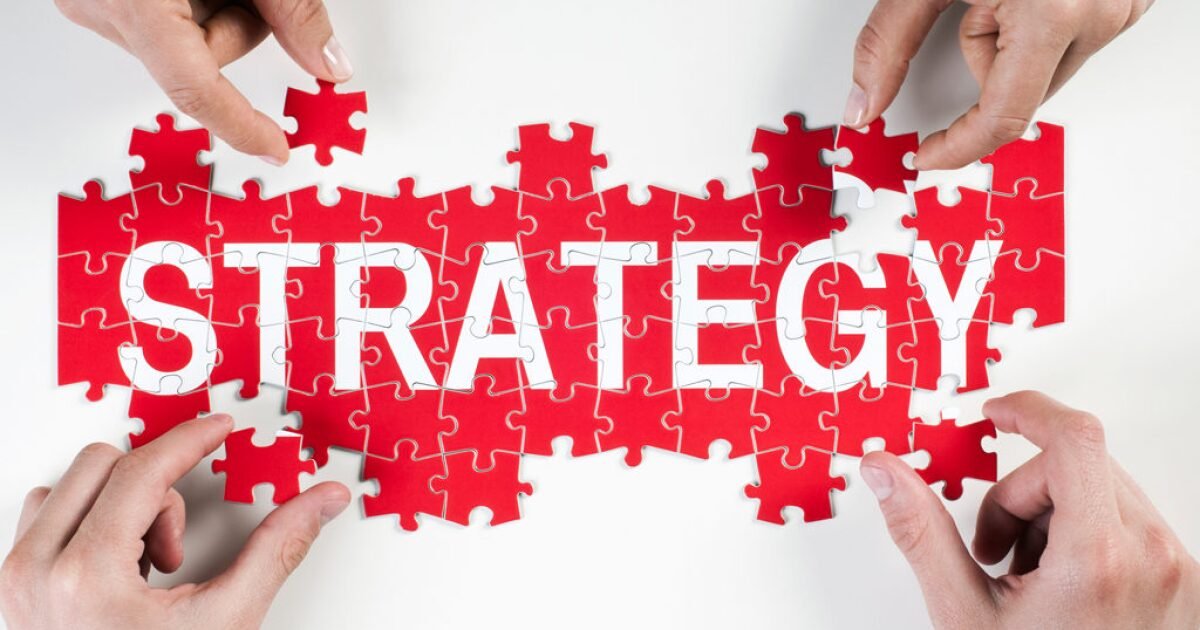
Once upon a time, in a colourful world of creativity and ingenuity, Danish toy company LEGO brought to life a revolutionary concept: modular bricks that could be assembled and disassembled in limitless ways. Decades later, the LEGO brick remains an iconic symbol of versatility and simplicity.
But what if we told you that the principles behind LEGO’s success could extend far beyond the realm of play? Indeed, they hold the key to unlocking efficient resource management for startups and MSMEs seeking to optimize costs in their operations.
In the fast-paced and ever-changing landscape of business, startups and micro, small, and medium-sized enterprises (MSMEs) face a unique challenge: how to efficiently allocate limited resources to fuel sustainable growth while keeping costs in check. The essence of resource management lies in striking the delicate balance between allocating resources wisely and ensuring their optimal utilization.
In this article, we embark on a journey of discovery, where we draw inspiration from the timeless LEGO brick and uncover how its ingenious strategies can be applied to streamline resource allocation. As a strategy consulting company, we unveil the significance of lean processes, resource sharing, and cost-benefit analysis in this endeavour. Together, we shall explore actionable insights on adopting LEGO-like strategies, such as modular cost structures, resource reusability, and cross-functional cost optimization, to achieve a harmonious fusion of sustainable growth and minimized expenses.
The Significance of Lean Processes
Imagine a world where resource allocation is akin to constructing a LEGO masterpiece. Each brick represents a vital component of your business operations, and assembling these components efficiently is a testament to the significance of lean processes.
Lean processes embrace the philosophy of eliminating waste, optimizing efficiency, and maximizing value for customers. Much like a LEGO structure, the cornerstone of lean resource management is to identify and eliminate unnecessary elements that do not contribute to the final objective. By embarking on this quest for resource optimization, startups and MSMEs can unravel the potential to boost productivity, reduce costs, and enhance overall organizational agility.
Applying lean principles to resource management requires a strategic mindset. Companies must scrutinize their processes to identify bottlenecks and redundant activities that impede progress. Utilizing techniques such as value stream mapping can provide a bird’s-eye view of the entire resource allocation process, exposing areas ripe for improvement. Additionally, implementing continuous improvement practices, such as Kaizen, ensures that resource allocation remains an ever-evolving, dynamic process tailored to meet the evolving needs of the organization.
The Power of Resource Sharing
In the imaginative world of LEGO, a single brick can serve multiple purposes, integrating seamlessly into diverse creations. Similarly, resource sharing in the business world yields substantial benefits. By collaborating and pooling resources with other like-minded enterprises, startups, and MSMEs can achieve a symbiotic relationship that fosters resource optimization and cost reduction.
Resource sharing can take various forms, ranging from co-working spaces that enable shared infrastructure to collaborative partnerships for joint projects and initiatives. Such collaborations allow companies to tap into complementary expertise and access resources that may have otherwise been financially unfeasible. Moreover, it stimulates the exchange of ideas, promoting innovation, and inspiring novel solutions to resource allocation challenges.
Embracing resource sharing may require a paradigm shift for some organizations, as it necessitates a degree of openness and trust. However, establishing clear agreements, delineating boundaries, and fostering effective communication channels can pave the way for successful resource-sharing endeavours. The result is an enhanced ability to optimize costs while creating a network of interdependent, mutually supportive entities that thrive together.
Unveiling the Art of Cost-Benefit Analysis
Much like constructing a LEGO masterpiece, where every brick contributes to the final form, startups and MSMEs must adopt a systematic approach to evaluating the worthiness of resource allocation decisions. Enter the art of cost-benefit analysis.
Cost-benefit analysis is a potent tool that empowers organizations to make informed resource allocation choices based on quantifiable data. By meticulously evaluating the expected costs and benefits of each decision, businesses can prioritize investments that promise the most significant returns while mitigating risks and wasteful expenditures.
To conduct a robust cost-benefit analysis, businesses must first identify and quantify both tangible and intangible costs and benefits associated with a given allocation decision. While tangible factors, such as direct expenses, are relatively easy to quantify, intangible benefits, such as enhanced brand reputation or improved employee morale, require more nuanced evaluation.
Additionally, a comprehensive cost-benefit analysis must consider both short-term and long-term implications. Although certain resource allocation decisions may yield immediate cost reductions, they might compromise the company’s ability to adapt to future challenges. By striking the right balance, businesses can avoid short-sighted cost-cutting measures that could hinder future growth prospects.
Embracing LEGO-like Strategies
Inspired by the time-tested LEGO brick and its ingenious design principles, let us delve into the actionable insights that can transform resource allocation for startups and MSMEs:
Modular Cost Structures
In the realm of LEGO, the magic lies in the modularity of each brick, allowing it to interlock effortlessly with others to form diverse creations. Similarly, businesses can design modular cost structures that enable adaptable resource allocation as circumstances evolve.
A modular cost structure entails breaking down expenses into discrete components, each dedicated to specific functions within the organization. By compartmentalizing costs, businesses gain the flexibility to adjust spending in response to changing priorities and market conditions.
For instance, dividing expenses into categories such as research and development, marketing, and overhead costs enables clearer visibility into how each aspect contributes to the company’s objectives. As a result, businesses can efficiently optimize costs without sacrificing essential functions.
Resource Reusability
One of the fundamental joys of LEGO lies in the ability to dismantle creations and reuse the bricks in new endeavours. The same concept can be applied to resource management, where identifying opportunities for resource reusability can lead to significant cost savings.
Rather than adopting a disposable mindset for resources, businesses should explore avenues for repurposing and redeploying assets. For example, employee skills and knowledge can be harnessed for multiple projects or departments, minimizing the need for external hiring or outsourcing. Additionally, investments in technology and equipment should prioritize long-term durability and flexibility to accommodate diverse applications.
Resource reusability is not only cost-effective but also sustainable, aligning with the growing emphasis on responsible business practices and circular economy principles.
Cross-Functional Cost Optimization
In the captivating world of LEGO, every brick contributes to the grand design, regardless of its shape or color. Likewise, successful resource management necessitates cross-functional collaboration and collective ownership of cost optimization initiatives.
Silos and departmental isolation can hinder resource optimization efforts, as they limit the visibility of cost implications across the organization. To address this challenge, businesses must foster a culture of collaboration and shared responsibility, encouraging all stakeholders to actively participate in the resource management process.
Introducing cross-functional teams that work collaboratively on resource optimization projects can yield fresh perspectives and innovative solutions. Furthermore, aligning performance metrics with resource optimization goals ensures that every team and individual is invested in achieving cost-saving targets.
By embracing lean processes, resource sharing, and cost-benefit analysis, startups and MSMEs can unveil new dimensions of efficiency in resource allocation.
The LEGO-like strategies of modular cost structures, resource reusability, and cross-functional cost optimization provide the foundation for sustainable growth while minimizing expenses. Just as a child finds joy in constructing imaginative LEGO creations, businesses too can find fulfilment in the art of cost optimization, where efficiency and innovation intertwine harmoniously.
As a strategy consulting company, we implore organizations to embark on this thrilling journey of applying LEGO strategies for efficient resource management. With the sophistication of lean processes, the interconnectedness of resource sharing, and the acumen of cost-benefit analysis, a world of cost optimization awaits, ready to be assembled into a vibrant and thriving reality.
So, my fellow entrepreneurs, let us embrace the playful spirit of LEGO, infusing our resource allocation endeavours with creativity, adaptability, and a dash of childlike wonder. Together, we shall forge a path to sustainable growth and financial prudence, making cost optimization not only fruitful but genuinely fun.